
Temperature, Moisture, and Sun Exposure Can Make or Break Your Results
Weather has a direct impact on how well concrete sealing works. Temperature, humidity, rain, and even direct sunlight can change how a sealer soaks in, dries, and holds up over time. If the weather is too hot, too cold, or too wet, the sealer may not bond the right way. That can lead to peeling, cloudy spots, or early wear. Knowing how weather affects the process helps you get longer-lasting protection.
Why Prevention Matters
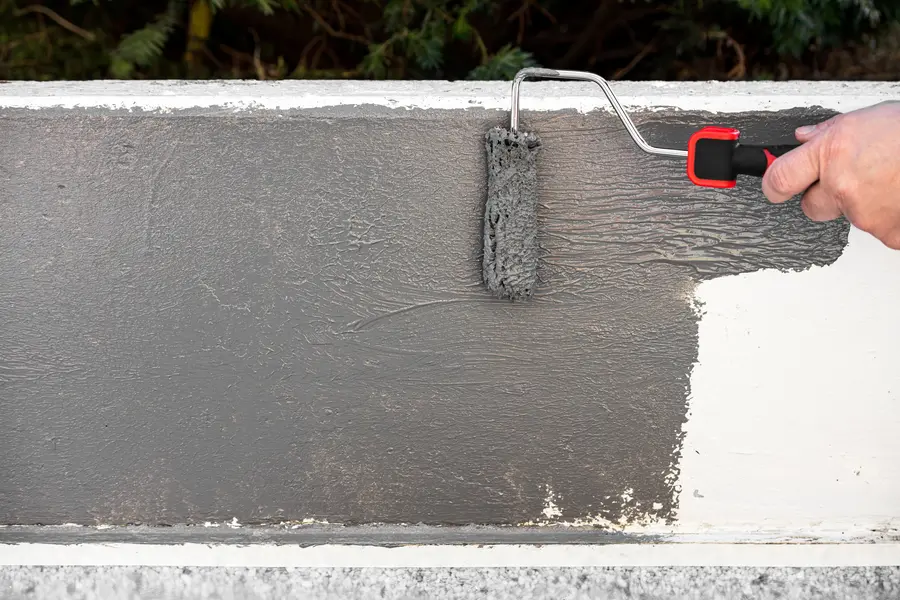
Concrete sealing is meant to protect driveways, patios, sidewalks, and other surfaces from water, stains, and cracks. But even the best product can fail if applied in poor weather. When sealing is done at the wrong time, moisture can get trapped or the surface can cure too fast. That shortens the life of the sealer and can waste time and money.
Paying attention to weather conditions before and after application helps prevent these problems. It also keeps your surface looking clean and even.
Early Warning Signs of Weather-Related Issues
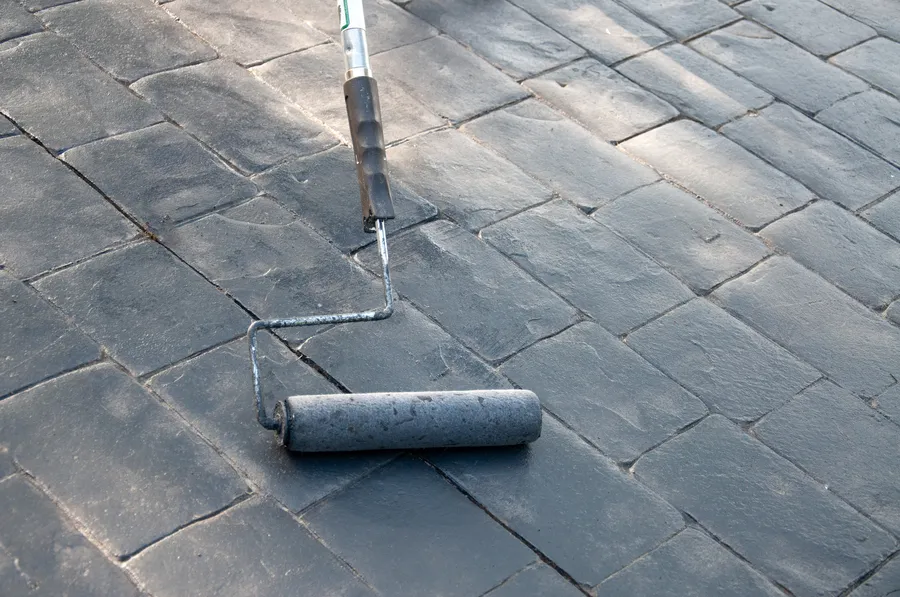
If weather causes trouble during or after concrete sealing, you may notice signs within days or weeks.
- White or cloudy haze on the surface
- Peeling or flaking sealer
- Bubbles or blisters
- Uneven shine or dark patches
- Water not beading like it should
These signs often point to moisture, extreme heat, or cold temperatures during application. Catching them early can help limit further damage.
Seasonal and Routine Checklist
Each season brings different risks for sealed concrete. Use this simple checklist before planning your project.
- Check the air temperature. Most sealers work best between 50 and 85 degrees Fahrenheit.
- Look at the surface temperature, not just the air. Concrete can be hotter in direct sun.
- Avoid sealing if rain is expected within 24 hours.
- Measure humidity levels. High humidity slows drying.
- Plan for shade if sealing in summer heat.
- Do not seal if frost is expected overnight.
Spring often brings rain and high moisture. Summer can mean hot surfaces and fast drying. Fall is usually a steady choice with mild temperatures. Winter is risky because cold slows curing and can trap moisture.
Best Practices for Long-Term Results
Good timing is just as important as product choice. Always start with clean, dry concrete. After washing, allow enough time for the surface to dry fully. Even slight dampness can affect bonding.
Apply thin, even coats. Thick layers are more likely to bubble in heat or stay soft in cool weather. Work in small sections so you can control coverage and watch for changes in drying time.
Watch the forecast not just on the day of application, but for the next day or two. Concrete sealing needs time to cure. Sudden rain or a drop in temperature can interrupt that process.
If your property uses a related service category keyword, such as decorative concrete care or exterior surface maintenance, weather rules still apply. All outdoor surfaces react to temperature and moisture changes.
What Not to Do
It is easy to rush a project when you have free time. But sealing in poor weather often leads to do-overs.
- Do not seal right before a storm.
- Do not apply sealer to hot concrete in direct midday sun.
- Do not ignore overnight temperature drops.
- Do not seal over damp spots.
- Do not assume all sealers react the same to weather.
Avoiding these mistakes can add years to the life of your sealed surface.
When to Schedule Professional Help
If weather patterns are unpredictable or you are unsure about surface moisture levels, it may be time to call a professional. Large areas, like commercial lots or long driveways, are harder to manage alone. Professionals use moisture meters and understand how different products react to local climate shifts.
You should also seek help if you see peeling, haze, or widespread failure after a recent sealing job. Fixing weather damage often requires stripping and reapplying the product the right way.
Get Reliable Results in Any Season
If you are planning concrete sealing in Evansville, IN, timing and technique both matter. At Affordable Concrete Evansville, we monitor temperature, moisture, and forecast changes before we begin. Our team applies products suited for local conditions and follows proven steps for lasting results. Call us at (812) 213-7358 to schedule service or ask questions about your concrete surfaces.