
Why Reinforced Concrete Is a Strong and Smart Choice for Today’s Buildings
The benefits of reinforced concrete in modern construction come down to strength, safety, and long-term value. Reinforced concrete combines concrete with steel bars or mesh inside it. The concrete handles pressure, while the steel handles pulling forces. Together, they create a material that lasts for decades. In today’s projects, this mix supports homes, offices, bridges, and parking structures with fewer repairs and better performance over time.
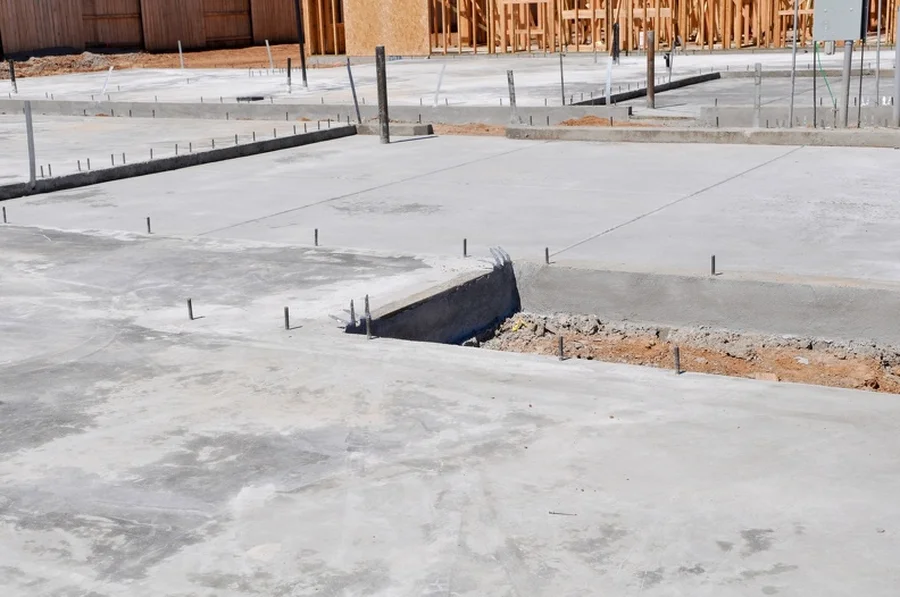
What Makes Reinforced Concrete Different From Regular Concrete
Regular concrete is very strong when it is compressed. That means it holds up well under heavy weight pushing down. But it can crack when it is pulled or bent. Reinforced concrete fixes that problem by adding steel reinforcement inside the slab, wall, or column.
In concrete construction, crews place steel rebar or wire mesh before pouring the concrete. Once it hardens, the steel and concrete bond together. This creates a single solid unit that resists cracking and shifting better than plain concrete alone.
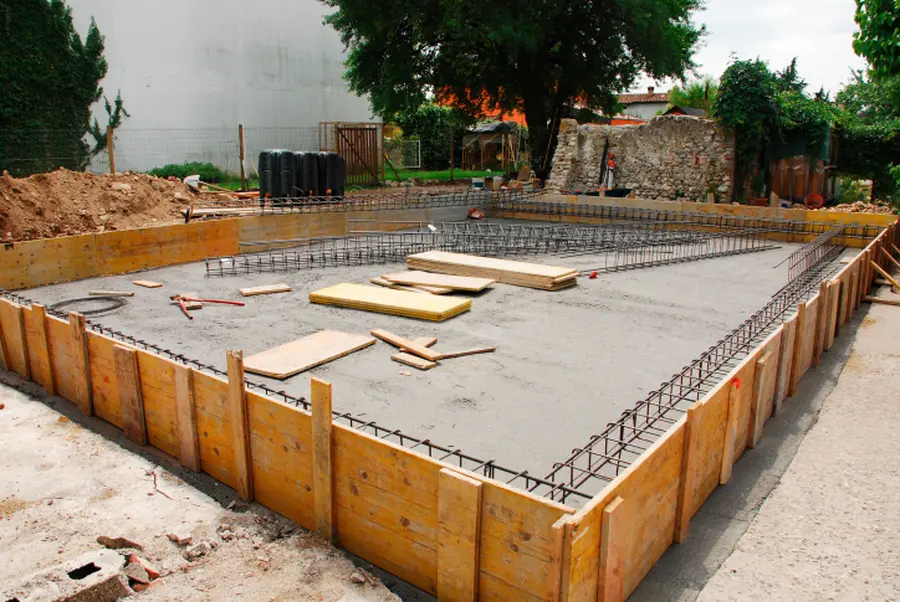
Key Benefits of Reinforced Concrete in Modern Projects
Builders and property owners choose reinforced systems for many reasons. Here are the biggest benefits:
- High strength: Handles heavy loads in large buildings and structures.
- Long lifespan: Can last 50 years or more with proper care.
- Fire resistance: Concrete does not burn and helps slow fire spread.
- Low maintenance: Needs fewer major repairs than many other materials.
- Design flexibility: Can be shaped into walls, slabs, beams, and columns.
- Weather durability: Stands up to wind, rain, and temperature changes.
These advantages make reinforced concrete a top choice in commercial and residential concrete construction.
How Reinforced Concrete Improves Safety
Safety is a major reason builders rely on reinforced systems. Steel bars inside the concrete help control cracking. Even if small cracks appear, the steel holds the structure together. This reduces the risk of sudden failure.
In areas with high winds or seismic activity, reinforced concrete adds extra protection. The steel reinforcement allows the structure to flex slightly without breaking apart. That added strength helps protect people inside the building.
Cost Value Over Time
Reinforced concrete may cost more upfront than some materials. But over time, it often saves money. Because it lasts longer and resists damage, owners spend less on repairs and replacements.
For example, parking garages built with reinforced slabs can handle heavy vehicle traffic for many years. Industrial floors benefit from added rebar because they support forklifts and heavy equipment without major cracking.
This long-term value makes it a practical solution in modern concrete construction projects.
Best Uses for Reinforced Concrete
Reinforced concrete works well in many types of structures. It is commonly used in:
- Foundations for homes and commercial buildings
- Driveways and large parking areas
- Bridges and overpasses
- Retaining walls
- High-rise buildings
- Basements and structural slabs
These projects need both compressive and tensile strength. Reinforcement helps the structure remain stable under daily stress and weight.
Mistakes People Make When Choosing Materials
Some property owners focus only on short-term cost. They may choose thinner slabs or skip reinforcement to save money. This often leads to cracks, uneven surfaces, or early structural problems.
Another common mistake is hiring crews without experience in proper concrete construction. Poor placement of rebar or improper mixing can weaken the final result. Reinforcement must be installed correctly to work as intended.
Planning for long-term performance almost always leads to better outcomes than choosing the cheapest initial option.
Simple Checklist Before Starting a Reinforced Concrete Project
- Confirm the load the structure must carry.
- Choose the correct type and size of reinforcement.
- Use proper spacing and placement of rebar.
- Make sure the concrete mix matches project needs.
- Allow enough curing time before heavy use.
Following these basic steps helps maximize the benefits of reinforced concrete in modern construction.
Get Trusted Help for Your Next Project
If you are planning a project in Evansville, IN, reinforced concrete can offer durability and long-term strength. At Affordable Concrete Evansville, we handle professional concrete construction for homes and businesses of all sizes. Our team focuses on safe reinforcement, proper installation, and lasting results. Call us at (812) 213-7358 to talk about your project and see how we can help you build with confidence.